The Quiet Pleasure of Keeping a Paper Notebook
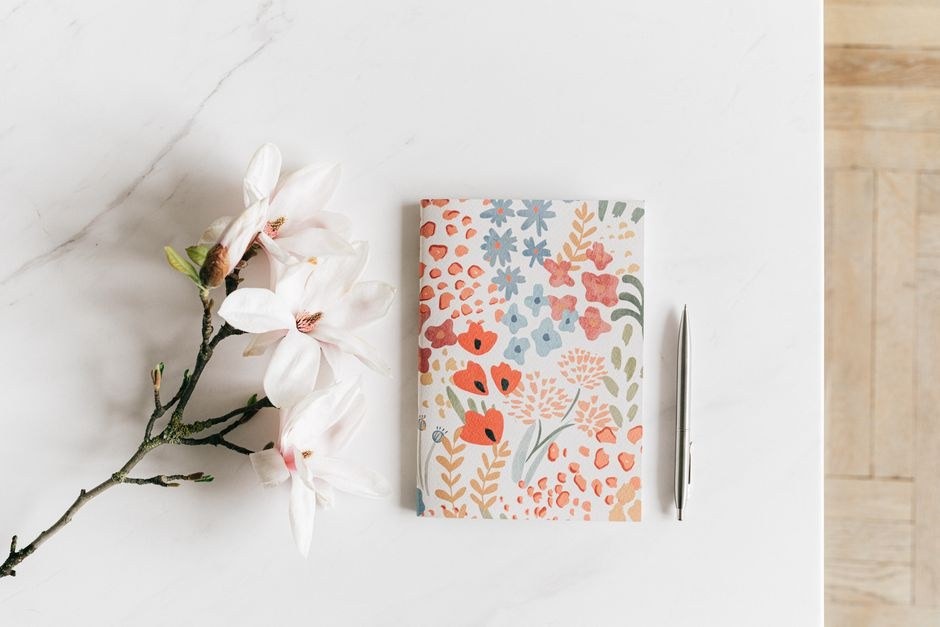
A notebook can be useful precisely because it does less than a phone. It does not sort, notify, sync, or suggest. It waits on the desk until there is something worth writing down, and the page can hold a shopping list beside a sentence from a book without asking either one to fit a category.
Use one book for ordinary things
The easiest notebook habit is often the least precious one. Choose a book that feels pleasant to write in but not so special that every page must be perfect. Let it collect the practical and the interesting together: errands, a recipe adjustment, a place to visit, a rough sketch of a room, or a phrase you want to remember.
When everything is allowed on the same pages, the notebook becomes a record of real days rather than a project that needs maintaining.
Date the page and begin
A simple date in the corner is enough structure for most personal notes. There is no need to design a spread before you know what the day will contain. If a thought continues later, add an arrow or write the page number where it picks up. The small imperfections make the book easier to use, not less useful.
What is worth capturing?
Write down details that would otherwise disappear quickly: the name of a flower seen on a walk, the proportions of a good salad dressing, the title of a book mentioned by a friend, or the particular light in a street at six in the evening. These observations are modest, but they become surprisingly evocative when read months later.
Keep the tools uncomplicated
One pen and one notebook are enough. If you enjoy colour, add it because it makes the page more inviting, not because every type of note needs a code. A bookmark or small clip can mark the current page. That is often all the organisation required.
When a notebook is full, resist the urge to transcribe everything. Flip through it once, move only the few notes that still matter, and keep the rest as a snapshot of that period. The value is not in creating a flawless archive. It is in giving passing thoughts somewhere physical to land.
Over time, the notebook becomes less about productivity and more about attention. Writing a detail by hand asks you to stay with it for a few seconds longer—and sometimes that is enough to make an ordinary day feel more distinct.