A Better Way to Plan a Day of City Walking
A good city walk does not need to be a race between attractions. The most memorable days on foot often begin with a simple route and enough spare time to notice what sits between the obvious stops: a bakery window, a quiet square, an old doorway, or a patch of water at the end of a street.
Start with three anchors, not fifteen stops
Choose one place for the beginning of the day, one point that gives the walk direction, and one comfortable place to finish. These anchors might be a station, a market, a park, a museum, or a riverside café. Three is usually enough to create a sense of purpose without turning the day into a checklist.
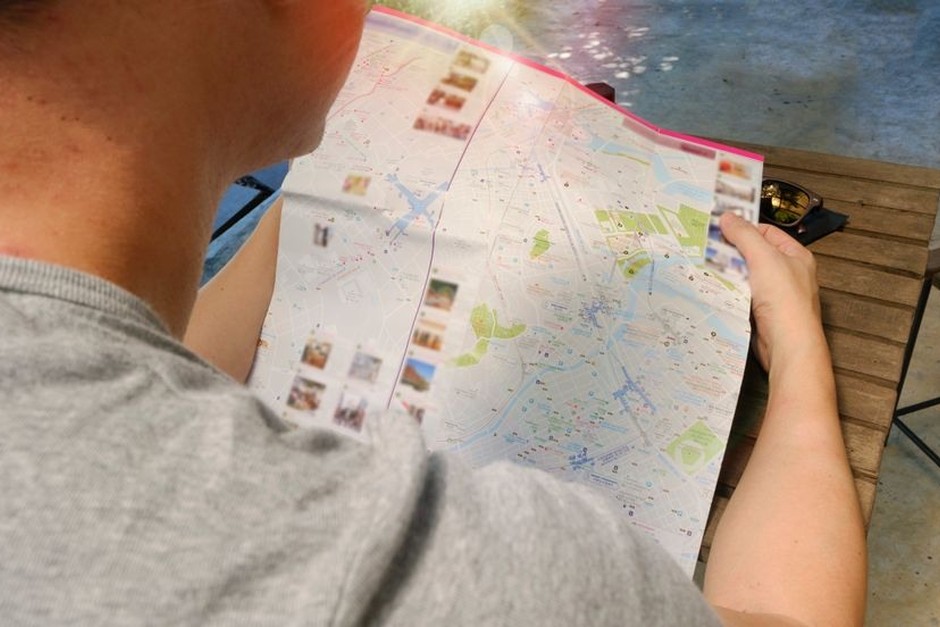
Look at the map once before leaving and note the broad shape of the route. A loop is convenient, but a straight line between two well-connected neighbourhoods can be more interesting because there is less temptation to retrace your steps.
Let distance stay modest
On paper, a long route can look easy. In practice, stopping for photographs, crossing busy roads, browsing shops, and sitting down for coffee all stretch the day. A shorter planned distance leaves energy for the unexpected. If you still feel fresh near the end, adding another street or park is much more pleasant than cutting an overambitious route short.
Use landmarks instead of constant navigation
Keep a few recognisable features in mind: a church tower, a bridge, a tram line, a broad avenue, or the edge of a park. They help you understand where you are without checking a screen at every corner. When the route is simple enough to remember, walking becomes more observant and less mechanical.
Make one intentional detour
Give yourself permission to leave the planned path once. Follow a lane that looks interesting, walk around a block with unusual architecture, or take the quieter street running parallel to a main road. A single detour adds spontaneity while keeping the day easy to manage.
It also helps to carry only what you will actually use: water, a light layer, a small notebook or camera, and a compact map if you enjoy paper navigation. Comfortable shoes matter more than almost anything else.
Finish somewhere that invites a pause
A pleasant endpoint changes the rhythm of the whole walk. Instead of simply stopping when you are tired, aim for a garden, bookshop, café, waterfront, or viewpoint where sitting down feels like part of the plan. The result is a day that has shape without feeling scheduled—and a route you remember for what you noticed rather than how many places you managed to tick off.